
Equipment that lets us study people, not just build systems.
The lab is equipped for the full cycle: building an immersive or robotic system, running sessions with participants who have never used one, and measuring what happened. Most of it travels — a good deal of our data is collected in homes, schools and clinics rather than here.
Extended Reality
Headsets, tracking and the compute behind them — used for therapeutic and training studies rather than demos.
The XR facility supports room-scale study setups with participants who are often unfamiliar with the technology, which shapes how sessions are run: short, supervised, and instrumented for later analysis. Dedicated GPU workstations handle scene authoring, real-time rendering and offline analysis of session recordings.
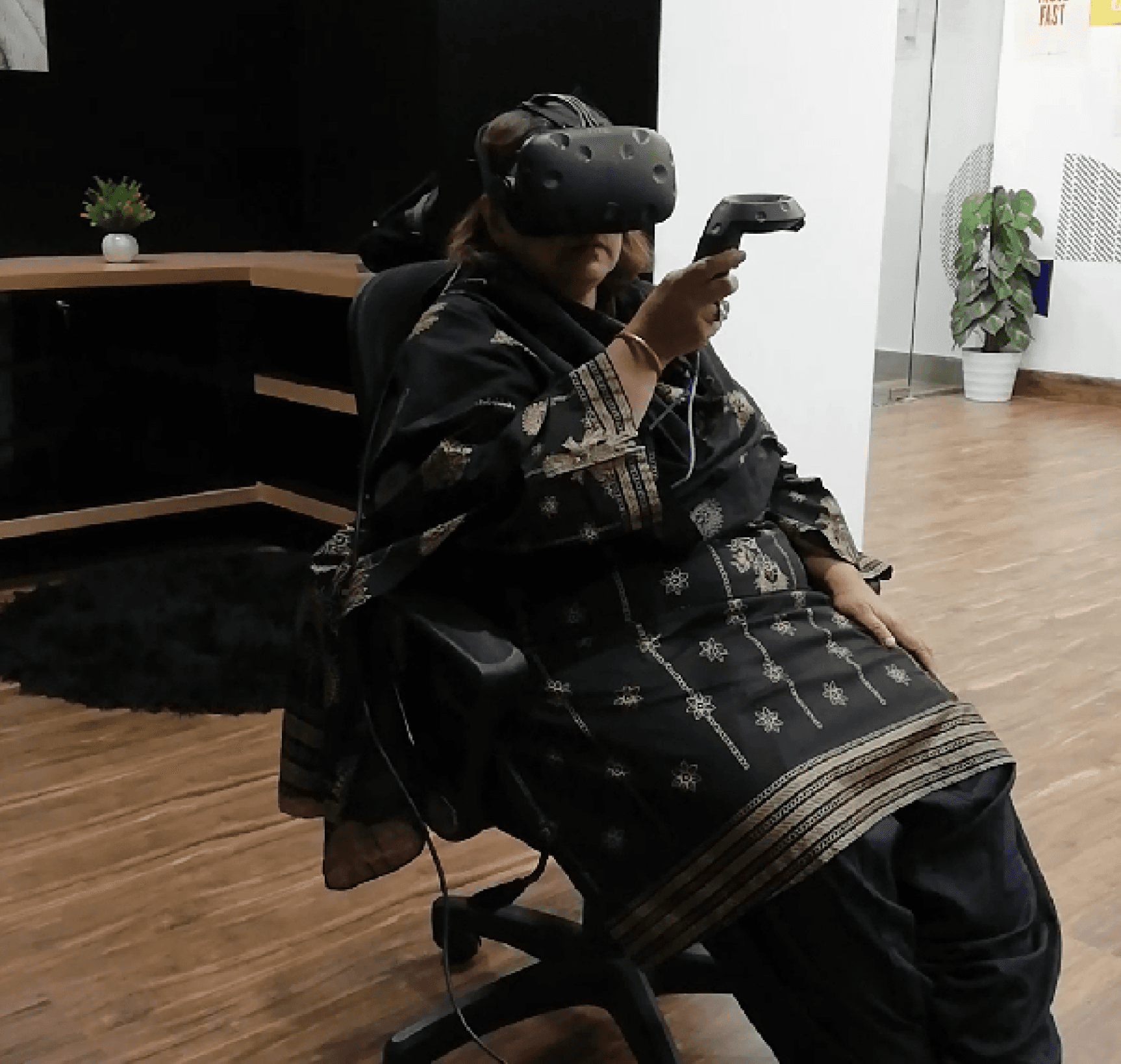 VR headset in use during a study session
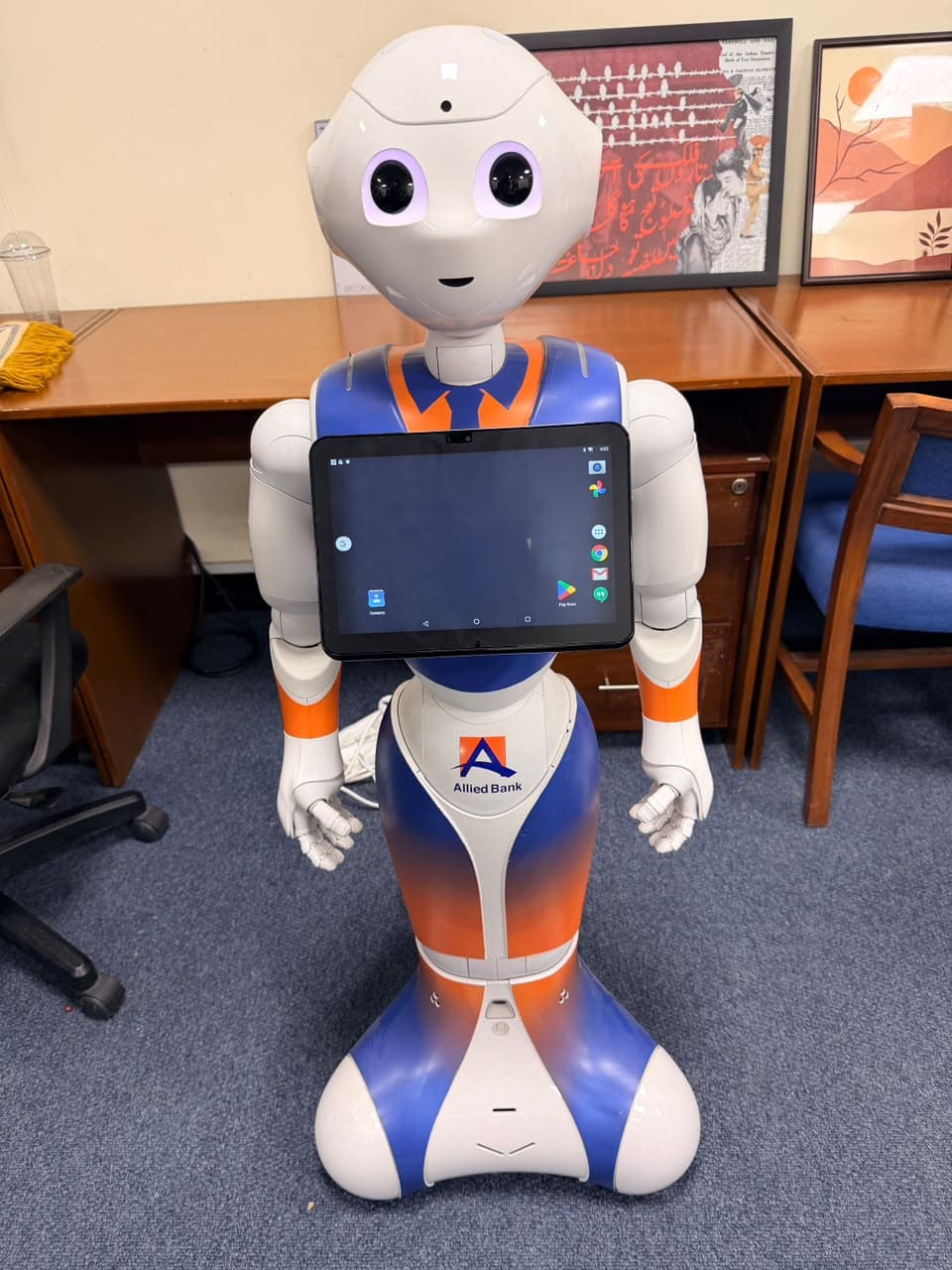 Pepper robot in the lab
Social Robots
Two humanoid platforms used in studies with children, older adults and classroom groups.
Both robots are programmable for Wizard-of-Oz and autonomous conditions, and both have been used in sessions where the participant has never met a robot before — a condition that turns out to matter more than the platform's capabilities.
Wearables & Physiological Sensing
Instruments for the parts of an experience people cannot easily report — attention, arousal, effort.
Physiological measures are used alongside interviews and observation rather than in place of them. The wearable equipment travels: much of it has been used in homes, schools and clinics rather than only in the lab.
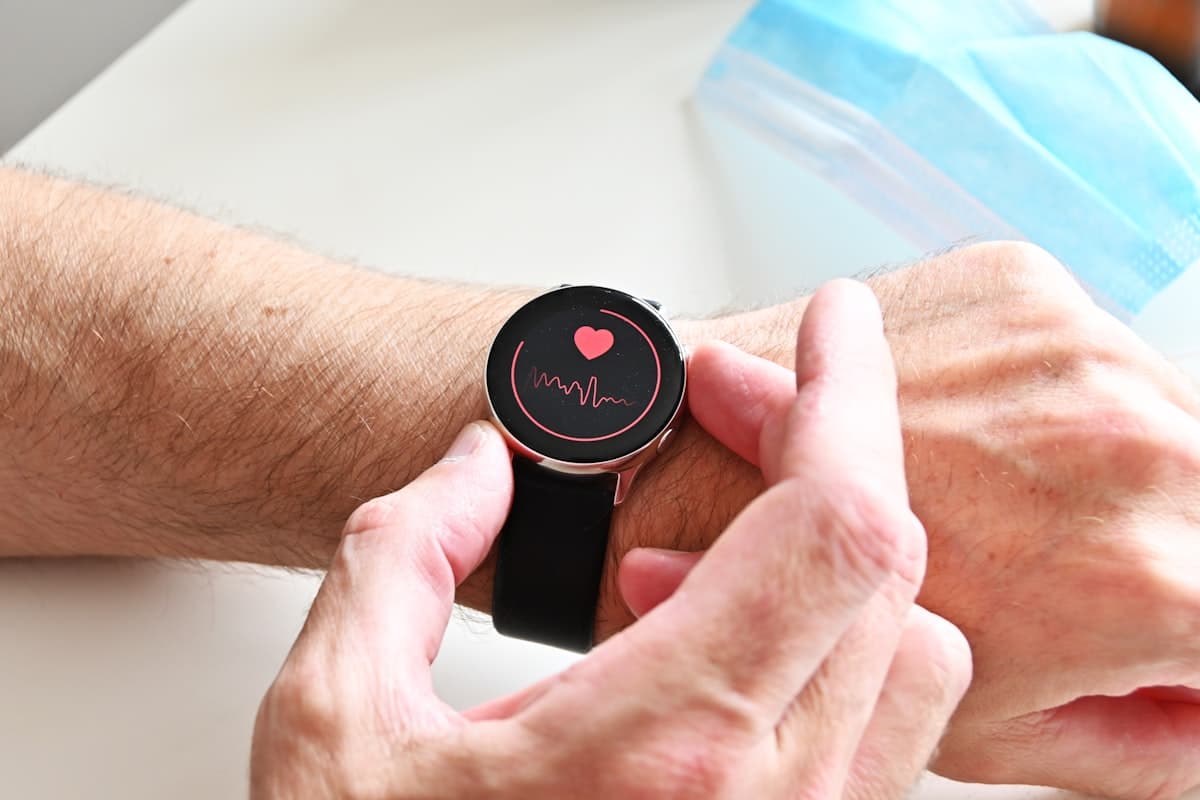 Wearable sensing equipment
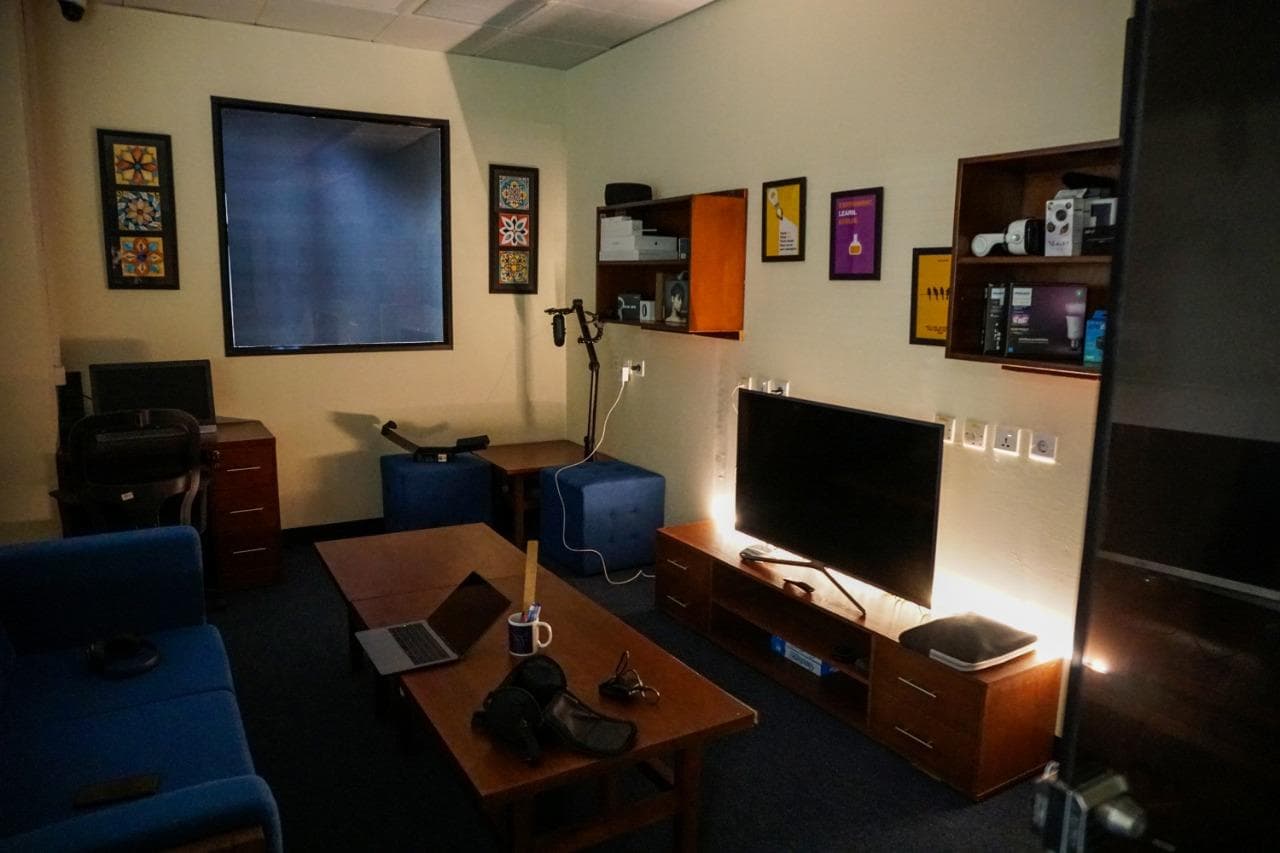 Usability lab observation room
Usability Lab
A dedicated observation room for moderated sessions, with the recording setup a study needs and nothing more.
Sessions run with a moderator and an observation feed, capturing screen, face and audio in sync. The room is also used for participatory design workshops and for training students in moderation before they run field sessions.
How the equipment gets used
Students
Course projects and RA work get supervised access after a short training session. Most students meet this equipment for the first time here.
Collaborators
Researchers from other institutions and industry partners can run studies here as part of a joint project.
In the field
Wearables, robots and headsets are regularly taken out to schools, homes and clinics where the actual work happens.